
 By:Admin
 11 Jan, 2026
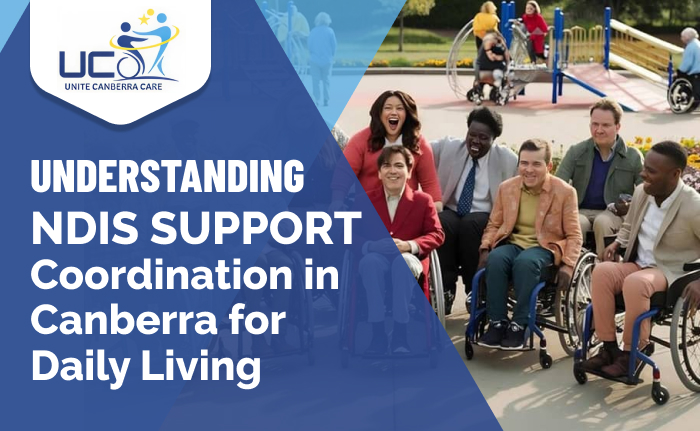
The selection of the most appropriate support in the NDIS may be overwhelming, particularly with a list of numerous services and providers in the plans. NDIS support coordination in Canberra gives people knowledge about their plans and applies them clearly and practically. It assists participants and families by assisting them make decisions, paperwork, and connecting to the services. The aim stays simple. Make support easier to manage while helping people stay in control of their daily lives. Good coordination does not rush decisions and does not take over. It works alongside the participant, respecting their goals, comfort, and pace.
In this article, we will cover how support coordination works, why trained coordination matters, and how it helps turn NDIS plans into clear and useful daily support.
Support coordination helps participants make sense of their NDIS plans and turn them into real support. This work is not only about plans. It also means listening, helping with problems, and changing support when needs change. When support coordination is done well, people feel calmer and feel sure about their choices.
Trained support coordination helps people feel safe and supported every day. Coordinators work with trained teams who follow safety rules and care practices. Staff checks help keep people safe, while safe movement training helps avoid injury. Teams understand how to support behaviour, daily health, and hygiene. They also know how to support people with diabetes. Support is given with care for both mental and physical disabilities, using patience, clear routines, and simple communication. This helps support staying safe, respectful, and suitable for daily life.
Good support coordination focuses on practical areas that matter most to participants.
Clear explanation of funding, goals, and support categories.
Help finding services that suit personal needs and preferences.
Ensuring services work well without overlap or gaps.
Supporting participants to make informed decisions.
Adjusting supports when needs or situations change.
These areas work best when coordination follows the participant’s pace and priorities.
Support coordination assists the participants in making sense of their NDIS plans and transforming them into reality support. The coordinators clarify the meaning of each of the parts of the plan and the manner in which funding can be utilized. They enable the participants to be linked with the relevant service providers and provide well-coordinated support. This position is not all about planning. It is also associated with listening, problem-solving, and adjusting supports when the needs vary.
Conclusion
The selection of the appropriate direction matters in the handling of NDIS plans. NDIS support coordination in Canberra helps people stay informed, organised, and sure about their choices. It helps them stay independent without feeling pressured and gives steady help when things are complicated. Unite Canberra Care offers support with clear communication, understanding, and practical help. Our team works closely with participants and families to make NDIS plans easier to manage and more meaningful in daily life. To learn more about our approach and available services, visit unitecanberracare.com.au.



 Send Enquiry