
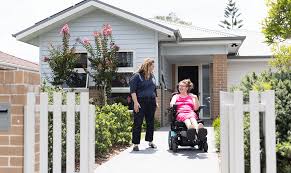
Choosing where to live can shape how daily support works. Unite Canberra Care provides disability support across the Australian Capital Territory. The team assists people with disability to build skills and capabilities for greater confidence and participation in society. SIL and SDA Canberra support can help people consider living arrangements that match their needs and goals.
To ensure assistance, it can be provided at the residence of the individual or in a common dwelling. Meals, cleaning, personal care, budgeting and household services may be included in the daily aid. People remain involved in choices about their goals and support planning.
Supported Independent Living helps people with disability and higher care needs live with greater independence. Caring can be provided at home or in residential care. Cooking, cleaning, personal care, budgeting and domestic chores may be part of daily activity depending upon the particular needs.
Life skills matter too. Support can help with routines, social interaction, health, and comfort. A familiar support worker may already know how someone prefers their morning routine handled.
Support is based on individual needs and preferences. Individuals might require assistance to prepare meals prior to the beginning of the day. Others might require assistance in cleaning, budgeting or housework. The level of assistance can reflect what the person needs.
The aim is to support people rather than simply help them. That difference matters when someone is learning to manage more tasks independently.
The service supports people with disability and high care needs who want to live an independent and fulfilling life. Supported Independent Living can apply to people living alone or sharing a home.
Support can also focus on building practical skills. Cooking, routines and social interaction are part of this work. Some people may want more support at home. Others may focus on community activities or learning new skills.
Unite Canberra Care provides disability support across the Australian Capital Territory. The organisation has offices at 13 Verreaux Crescent, Throsby ACT 2914 and 54 Pattie Menzies Way, Jacka ACT 2914.
Supported disability accommodation Canberra support can connect with the organisation’s wider services. These include Community Access, Domestic Assistance, Personal Care, Capacity Building, Assistance with Daily Living, Social & Community Participation and Transport/Travel Training.
NDIS housing support ACT Canberra can also be discussed with the team according to individual needs and goals.
Unite Canberra Care has 15+ staff hired, 55+ clients serviced, 2+ offices, and 5 years in business. The organisation provides 24/7 support and access to an extensive range of NDIS supports.
The team is shifting from “helping people” to “supporting people”. Happy clients are also part of the organisation’s experience.
|
What We Offer
|
What It Means for You |
| Australian community and aged support | Helps people stay active and motivated |
| 24/7 support | Assistance when required |
| Extensive NDIS supports | Access to a wider range of services |
| Individual needs and preferences | Support based on the person |
| Regular support workers | Stability through familiar staff |
| Single NDIS contact | One point for NDIS-related needs |
| 5 years' experience | Established service experience |
| Supporting people, not just helping | Focus on choice and participation |
| Happy clients | Continued support for people using services |



 Send Enquiry